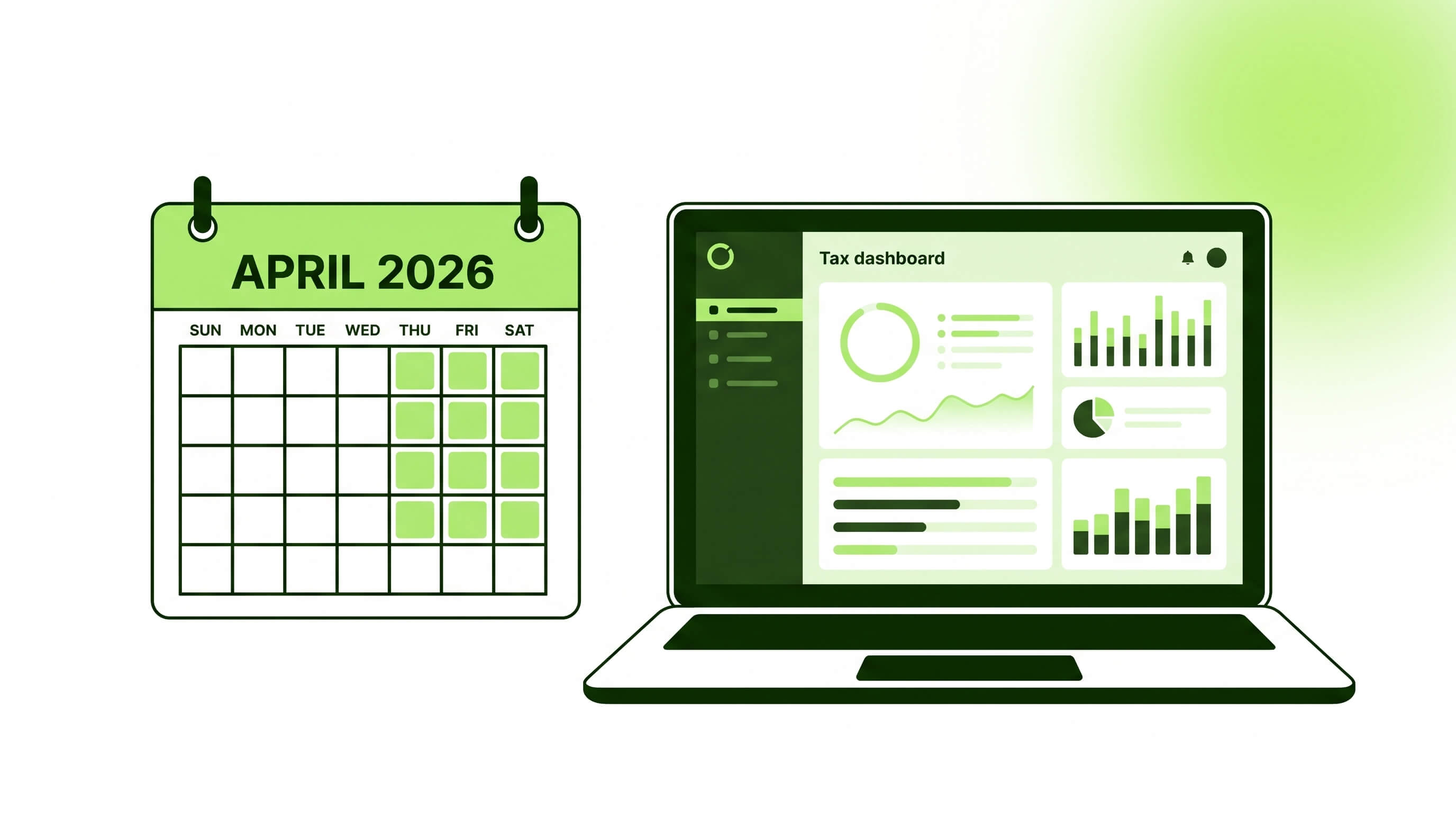
From 6 April 2026, the way many self-employed people and landlords report their income to HMRC changes for good. Making Tax Digital for Income Tax replaces the once-a-year Self Assessment return with digital record-keeping and quarterly updates. If your income from self-employment and property is over £50,000, you are first in line.
The short version
If your combined self-employment and property income is over £50,000, you must keep digital records and send HMRC four quarterly updates plus a final declaration from April 2026, using MTD-compatible software. The threshold falls to £30,000 in 2027 and £20,000 in 2028.
What is Making Tax Digital for Income Tax?
Making Tax Digital (MTD) for Income Tax Self Assessment is HMRC's plan to move Income Tax reporting online and in real time. Instead of pulling a year of figures together each January, you keep your records digitally throughout the year and send HMRC a short summary every three months. The aim is fewer errors, fewer surprises, and a running view of what you owe.
It applies to sole traders and landlords, not employees taxed through PAYE and not limited companies. If all your income is already taxed at source, nothing changes for you.
Who has to comply, and when
MTD for Income Tax is being phased in by income level. The date you join depends on your qualifying income, which is your combined gross income from self-employment and property before you take off any expenses.
| From | Qualifying income over |
|---|---|
| 6 April 2026 | £50,000 |
| 6 April 2027 | £30,000 |
| 6 April 2028 | £20,000 |
HMRC looks at the income on your most recent submitted return to decide whether you are in scope. If you cross a threshold, you will normally get a letter, but the responsibility to check sits with you.
What actually changes
1. Digital record-keeping
You must record each item of business income and expenditure digitally, in software rather than on paper or in a basic spreadsheet on its own. This is where a tool that reads your bank feed and sorts transactions automatically saves the most time.
2. Quarterly updates
Four times a year you send HMRC a cumulative summary of your income and expenses for each business or property. These are running totals, not four separate tax returns, and no tax is due when you send them.
3. A final declaration
After the tax year ends you submit a final declaration, which pulls your quarterly figures together, adds anything else (such as other income or reliefs), and confirms your final position. This replaces today's Self Assessment return and is still due by 31 January.
The new deadlines at a glance
Using HMRC's standard quarterly periods, the update deadlines are:
| Quarter covers | Update due by |
|---|---|
| 6 Apr to 5 Jul | 7 August |
| 6 Jul to 5 Oct | 7 November |
| 6 Oct to 5 Jan | 7 February |
| 6 Jan to 5 Apr | 7 May |
You can choose to align these to calendar quarters (ending 30 June, 30 September and so on) if that is easier for your bookkeeping. Late updates fall under a new points-based penalty system, so a one-off slip no longer triggers an instant fine, but repeated lateness does.
How to get ready
- Check your numbers. Add your gross self-employment and property income together and see which threshold and date apply to you.
- Separate business banking. A dedicated account makes digital records far cleaner, because every transaction is a business one.
- Choose MTD-compatible software early. Get comfortable with it a year before you are mandated, not the week before.
- Keep receipts as you go. Cash and card receipts captured through the year beat a January scramble. See our guide to cash income and receipts.
Where Oazy fits in
Oazy is built for a digital-first tax world. Connect your bank once and its AI keeps digital records for you, categorising every transaction against UK tax rules and drafting the figures behind each quarterly update. You review the few items it is unsure about, then approve. No spreadsheets, no shoebox, no January panic. See it in your account.
MTD is a big change on paper, but the day-to-day reality is simpler bookkeeping and fewer surprises, as long as your records are in good shape. Sort that once and the quarterly rhythm takes care of itself.