
Getting paid in cash is completely legal. Not declaring it is not. Whether you are a barber, a market trader, a cleaner or a weekend gigging musician, cash you earn is taxable income, and HMRC expects a record of it. Here is how to stay on the right side of the rules without drowning in paper.
The short version
All cash income is taxable and must go on your tax return, unless your total self-employed income is under the £1,000 trading allowance. Keep records of every sale and receipt for at least five years. A phone photo of a receipt is a valid record.
Is cash-in-hand income taxable?
Yes. Tax does not care whether you were paid by card, bank transfer or a handful of notes. If it is income from work, it is taxable and belongs on your Self Assessment return. The only exception is the trading allowance below.
The £1,000 trading allowance
If your total income from self-employment and casual work in a tax year is £1,000 or less, you usually do not need to report it. Go a penny over and you must declare all of it, not just the amount above £1,000. Regular cash work adds up quickly, so it is easy to cross this line without noticing.
What happens if you do not declare it
Undeclared cash is treated as tax evasion, not an honest slip. HMRC can charge the tax owed plus interest and a penalty, and for deliberate under-declaration it can go back as far as 20 years. Voluntary disclosure is always cheaper than being found. This is not worth the risk for what is usually a modest saving.
The records you need to keep
Keep a record of all your income and expenses, including cash. That means:
- The date and amount of every sale, and who it was from where you have it.
- Invoices you issue.
- Receipts for anything you buy for the business.
- Bank and card statements.
- A note of business mileage.
Keep these for at least five years after the 31 January submission deadline for that return.
Receipts: paper is optional, records are not
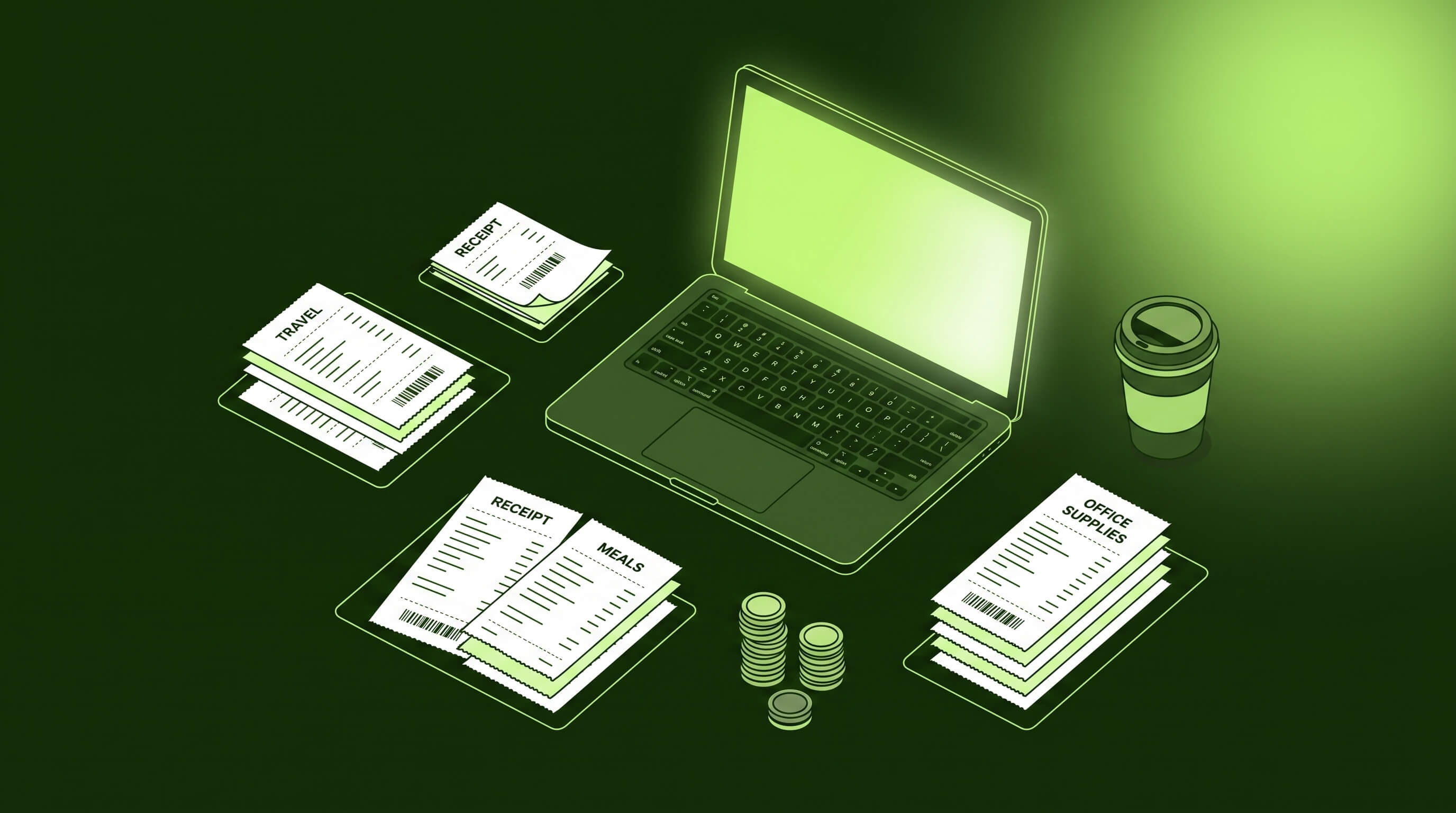
HMRC accepts digital copies of receipts, so a clear photo is fine as long as it is complete and legible. The trick is to capture receipts the moment you get them, before they fade or vanish. A faded thermal receipt six months later helps nobody.
A simple cash routine that works
- Log cash takings daily, even a quick note.
- Keep business cash separate from your personal wallet.
- Photograph every expense receipt on the spot.
- Reconcile once a week so nothing is forgotten.
- Put money aside for tax as you go.
Under Making Tax Digital, keeping digital records like this stops being optional, so building the habit now is time well spent.
Snap it, and Oazy books it
Oazy's built-in AI receipt scanner turns a photo into a sorted expense. Point your phone at a receipt and it reads the merchant, amount and date, works out whether it is allowable, and applies the deduction, exactly as it does for your bank transactions. During setup it asks whether your business takes cash, so nothing slips through. Try the receipt scanner.